

When defense and homeland security missions change faster than aircraft can be modified, flexibility becomes the capability.
Every few years, the defense aviation community runs into the same problem. A new threat emerges. Radar signatures evolve. Electronic warfare training requirements shift. And suddenly, the ISR aircraft purpose-built for yesterday’s mission can’t keep pace with today’s operational demands.
Traditional solution: send the aircraft back to the depot for modification. Timeline: months. Cost: significant. Operational availability during that window: zero.
That’s the problem Aery Aviation built Raven to solve.
Aery Aviation’s Raven™ Multi-Purpose Special Missions Platform is a modified Gulfstream IVSP configured for five different mission sets — intelligence, surveillance, & reconnaissance (ISR), signals intelligence (SIGINT), electronic intelligence (ELINT), electronic warfare (EW) training, and unmanned aircraft operations — all in one aircraft. The platform can reconfigure between missions in days, not months. No depot visit required.
Aery Aviation currently operates two Raven aircraft and has a third in development. The platform is designed to serve Department of War customers — including the Navy, Air Force, Marine Corps, and Army — along with Department of Homeland Security agencies such as the U.S. Coast Guard and Customs and Border Protection, and allied foreign governments under applicable U.S. export authorization.
This is what happens when you design an aircraft around adaptability instead of a single mission profile
One Aircraft, Five Mission Sets
The Raven platform handles five distinct operational roles:
Intelligence, Surveillance, and Reconnaissance (ISR): Airborne monitoring and intelligence collection across extended areas. Raven’s range (over 4,000 nautical miles) and endurance (up to 12 hours on station) allow the aircraft to cover maritime domains, border regions, and remote areas where ground-based systems can’t reach.
Signals Intelligence (SIGINT) and Electronic Intelligence (ELINT): Detection, identification, and geolocation of radio frequency emitters. Raven’s sensor suite can characterize radar systems, communications networks, and other electromagnetic signatures — the kind of data defense planners need to understand evolving threats.
Electronic Warfare Training: Realistic threat replication for Navy, Air Force, and Marine Corps EW officers, combat systems operators, and pilots. Instead of pulling operational aircraft off combat missions for training exercises, Raven acts as the adversary platform — simulating radar threats, jamming profiles, and electronic attack scenarios.
Counter-Unmanned Aircraft Operations (C-UAS): Detection and defeat of small unmanned aerial systems from altitude. Most ground-based counter-drone systems struggle with line-of-sight limitations. Raven operates at 45,000+ feet, which solves the geometry problem and extends detection range significantly.
Research, Development, Test & Evaluation (RDT&E): In-flight validation of new sensors, emitters, and electronic warfare systems. Raven carries an onboard test and measurement stack that allows engineers to validate system performance in operational flight environments rather than relying solely on lab testing.
The key advantage: all five mission sets run on the same airframe, with the same flight crews, the same maintenance tail, and the same operations team. When the mission changes, the aircraft adapts.
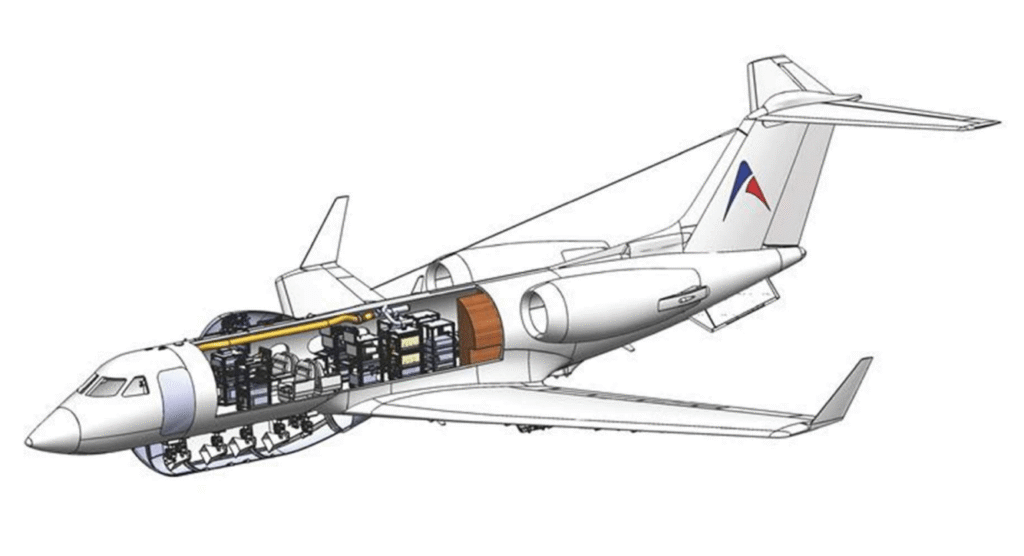
Figure 1 – Notional mission cabin layout (non-representative, export-compliant rendering).

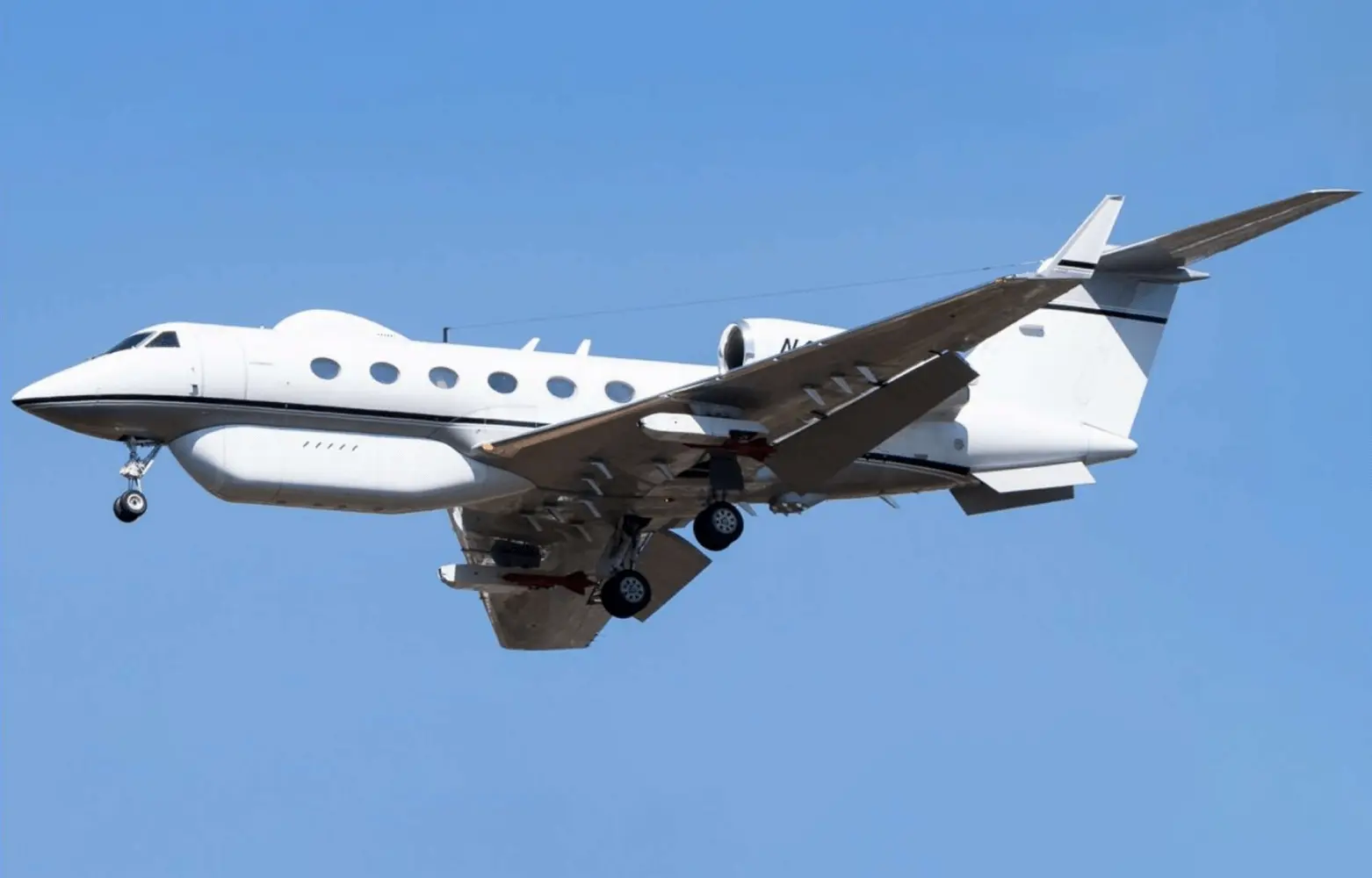
Figure 2 – Aery Aviation Raven exterior photo
Why Reconfigurability Matters
Traditional special missions aircraft are built around a fixed configuration. One sensor package. One mission profile. One operational role. When requirements shift the aircraft needs to go back to the depot for reconfiguration. That process takes months and removes the aircraft from operational availability.
With Raven, Aery is taking a different approach. The aircraft is designed for rapid reconfiguration from the ground up.
Sixteen pre-wired wing hardpoints allow external payload mounting without structural modification. Configurable upper and lower radomes accommodate different antenna systems. Up to four operator consoles and mission equipment racks provide onboard workspace for different crew configurations. A high-speed fiber optic network ties everything together, allowing sensor data, communications, and mission systems to integrate without rewiring.
When a Navy EW training exercise needs to simulate a new radar threat that didn’t exist six months ago, Aery’s team can reconfigure Raven to replicate that emitter profile in days. When a Coast Guard maritime domain awareness mission requires long-endurance ISR over the Caribbean, the same aircraft can shift to that mission set without months of downtime.
The operational math is straightforward: one reconfigurable aircraft delivers more mission availability than three single-purpose platforms.
Built on a Proven Airframe
Raven is based on the Gulfstream IVSP — the same business jet platform that has carried government special missions quietly around the world for decades. That heritage matters.
The Gulfstream platform delivers over 4,000 miles of range, which means Raven can self-deploy to theater without tanker support. Cruise altitude above 45,000 feet puts the aircraft above most weather, above most commercial traffic, and in optimal geometry for electronic warfare and ISR operations. Endurance of up to 12 hours on station allows extended maritime patrol, border surveillance, and persistent intelligence collection.
The cabin is large enough to accommodate up to four operator consoles, mission equipment racks, and crew rest areas for extended operations. External hardpoints can carry up to 1,000 pounds of mission-specific payloads — antennas, sensor pods, electronic warfare equipment — across sixteen mounting locations on the wings.
This isn’t an experimental modification. It’s a mature, operational platform with proven reliability in government service.
Who Uses Raven
Raven is designed to serve three customer communities:
Department of War: Navy, Air Force, and Marine Corps units use Raven for electronic warfare training, stand-off jamming (under applicable export authorization), ISR support, and test and evaluation of new electronic warfare systems. The platform allows operational fleet aircraft to stay on combat missions while Raven handles the training and test workload.
Department of Homeland Security and U.S. Coast Guard: Maritime domain awareness, border security, counter-drone operations, and disaster response missions. Raven’s endurance and sensor flexibility make it effective for large-area surveillance where ground-based systems can’t provide coverage.Allied Foreign Governments: Partner nations operating under U.S. export authorization use Raven for national security missions, border patrol, maritime surveillance, and EW training. The platform’s flexibility allows allied air forces to access multiple capabilities without procuring separate aircraft for each mission type.
How Governments Access Raven
Aery Aviation offers Raven under three contracting models, designed around how government agencies actually procure aviation services:
Turnkey Operations (COCO — Contractor-Owned, Contractor-Operated): Aery provides the aircraft, flight crews, mission operators, maintenance, and logistics. The customer defines the mission requirements. Aery executes the operation.
Lease-to-Operate (GOCO — Government-Owned, Contractor-Operated): The customer provides its own crews and operators. Aery provides the aircraft, maintenance, and mission system support.
Hybrid Models: A blend of COCO and GOCO, often used as a bridge capability while a government program of record stands up or while customer crews complete training and certification.
Per-flight-hour contracting is available, which means agencies can access a full-spectrum ISR and EW platform without navigating traditional acquisition timelines or budget constraints. No program of record required. No multi-year procurement process. The aircraft is operational now.
Compliance and Certification
Raven operates under strict compliance with International Traffic in Arms Regulations (ITAR) and Export Administration Regulations (EAR). Aery Aviation maintains the following certifications and approvals:
- FAA Part 135 (air carrier) certification
- FAA Part 145 (aircraft maintenance) certification
- AS-9100D quality management registration
- ISO-9001 quality management registration
- DCMA 8210.1 compliance
- USTRANSCOM CARB-approved operator
- Active GSA Schedule holder
FAA-approved Organization Delegation Authorization (ODA), Designated Engineering Representative (DER), Designated Airworthiness Representative (DAR), and A&P/IA (Airframe and Powerplant / Inspection Authorization) authorities all operate in-house across Aery Aviation’s Newport News, Virginia headquarters and North Island, San Diego facility.
That in-house certification and engineering capability is what makes rapid reconfiguration possible. Aery doesn’t wait for third-party approvals or external engineering reviews. The team that designs the modification is the same team that certifies it airworthy and maintains it in service.
Available Now
Raven is operational. Aery Aviation currently flies two Raven aircraft, with a third in active development. Capability briefings, technical demonstrations, and contract discussions are available for qualified Department of Defense, Department of Homeland Security, U.S. Coast Guard, and allied government customers.
Learn more about Raven and Aery Aviation’s special missions capabilities at aeryaviation.com/government/Raven.